
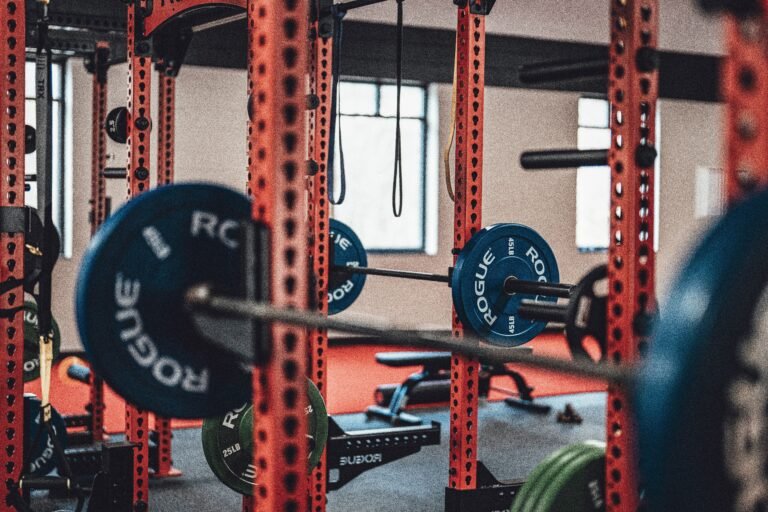
There’s something about the barbell area of the gym that can feel intimidating. Maybe it’s the clanging plates, the squat racks lined up against the wall, or the lifters who seem to know exactly what they’re doing. For many beginners, the barbell section can feel like a place reserved for “serious” gym-goers. I get it. I’ve been there too.
The truth is, the barbell isn’t just for powerlifters, athletes, or the strongest person in the gym. It’s one of the most versatile and effective training tools ever created, and learning how to use it can completely change the way you approach strength training. My goal with this series is to help you understand the equipment around you so that the gym feels less intimidating and a lot more welcoming.
The barbell is one of the most powerful tools in strength training — and also one of the most intimidating for beginners.
If you’ve ever thought barbells were only for advanced lifters or powerlifters, this guide will show you what they are, how they work, and why beginners should learn them early.
Because confidence in the gym starts with understanding.
What Is a Barbell?
I still remember how intimidating the barbell area felt when I first started going to the gym. There was something about the racks, the plates, and the people lifting heavy weights that made it seem like I wasn’t experienced enough to be there.
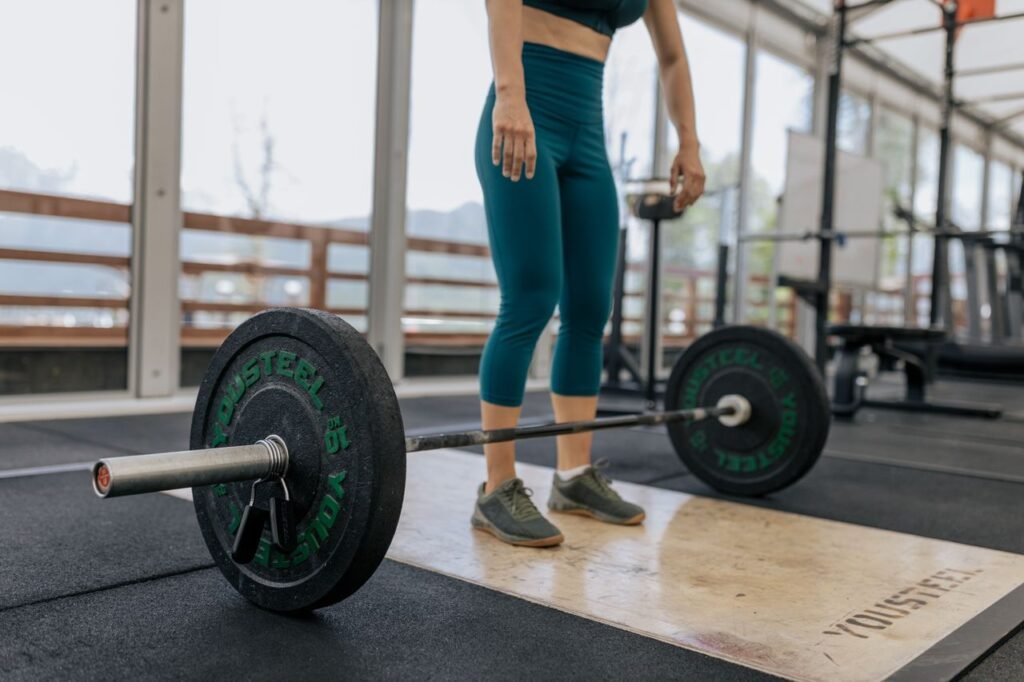
But the truth is, a barbell is simply a long metal bar designed to hold weight plates, and it’s one of the most effective tools for building strength. What I love about barbells is that they grow with you. Whether you’re learning your very first deadlift with an empty bar or adding weight as you get stronger, the barbell adapts to your fitness level. It allows you to train fundamental movements like squats, presses, rows, and deadlifts while teaching your body to move with strength, balance, and coordination.
Once you realize that the barbell isn’t reserved for the strongest people in the gym, but is actually a tool for anyone willing to learn, it becomes a lot less intimidating and a lot more empowering.
The brief history of the Barbell
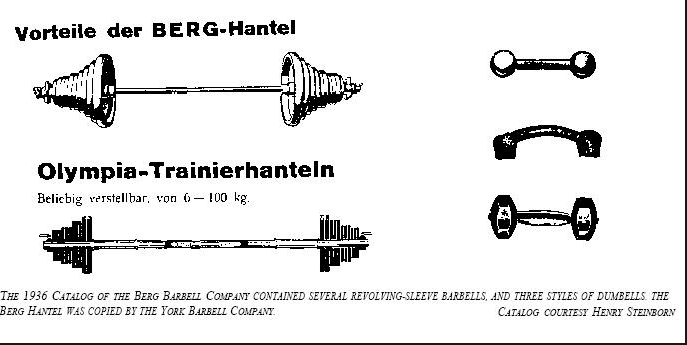
The barbell has been around for more than a century. Early versions appeared in the late 1800s and looked very different from the sleek steel bars we use today. Some of the first barbells had hollow globes attached to each end that could be filled with sand or shot to change the weight. Strongmen used them in traveling shows and competitions to demonstrate incredible feats of strength.
As the fitness industry evolved, so did the barbell. Manufacturers standardized the size, weight, and design, creating the barbells we see in gyms today. Despite all the new fitness trends and high-tech machines, the barbell has remained one of the most effective tools for building strength, muscle, and confidence.
Why Beginners Should Learn the Barbell
I know what some of you are thinking: “That thing weighs forty-five pounds before I even add plates!” And yes, the standard Olympic barbell weighs 45 pounds (20 kilograms). That can feel heavy at first, but here’s something important to remember: starting light is not a sign of weakness. Learning proper technique is what sets you up for long-term success.
What I love about barbells is that they teach your body to move as one connected system. Instead of isolating a single muscle, barbell exercises challenge your legs, core, back, and upper body to work together. They teach balance, coordination, and strength in a way that few other pieces of equipment can.
More importantly, they teach confidence. There’s something incredibly empowering about walking into the gym, setting up your bar, and realizing, “I know how to do this.”
Not all Barbells are the same
One of the biggest surprises for many beginners is learning that there isn’t just one type of barbell.
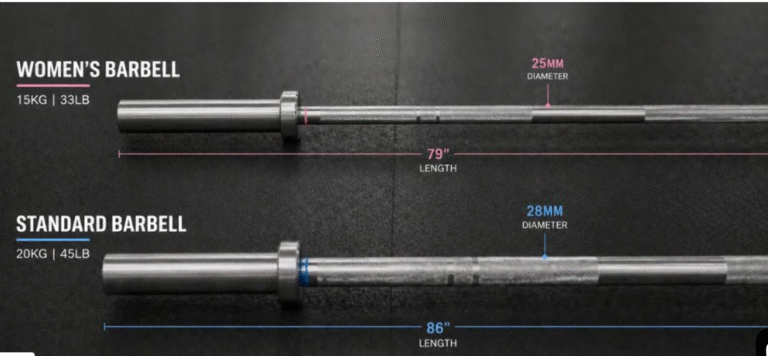
The most common is the Olympic barbell, which weighs 45 pounds and is used for exercises like squats, deadlifts, bench presses, and overhead presses. Many gyms also have a women’s Olympic barbell, which weighs 33 pounds (15 kilograms) and has a slightly smaller diameter, making it easier to grip for people with smaller hands.
If you’re just starting out, your gym may also have technique bars, which weigh anywhere from 5 to 15 pounds. These bars are fantastic for practicing movement patterns without worrying about the weight.
Then there are the specialty bars. The EZ curl bar, with its zigzag shape, is commonly used for arm exercises because it puts less stress on the wrists. The trap bar, or hex bar, allows you to stand inside it and often feels more comfortable for deadlifts. The safety squat bar, recognizable by its padded shoulder supports and handles, helps people squat with less strain on their shoulders.
Using a lighter bar or a different bar isn’t cheating—it’s simply choosing the right tool for the job.
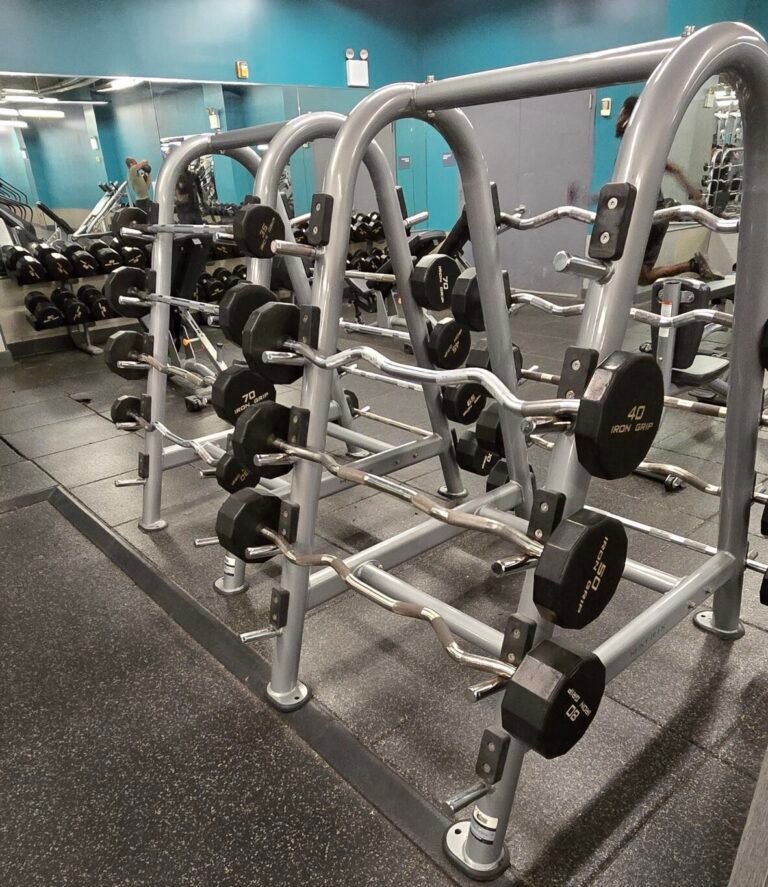
Where to Find Barbells in the Gym
If you’re not sure where the barbells are, don’t worry—you’re definitely not the only one. In most gyms, you’ll find them near the squat racks, power cages, bench press stations, and deadlift platforms.
The first time you walk into that area, it can feel like everyone knows some secret set of rules. Here’s the truth: they don’t. Every experienced lifter started exactly where you are now, wondering which rack to use and whether they were setting things up correctly.
Don’t be afraid to ask questions. That’s how confidence is built.
The Five Basic Movement Patterns
One of the reasons barbells are so effective is that they can train all five foundational movement patterns.
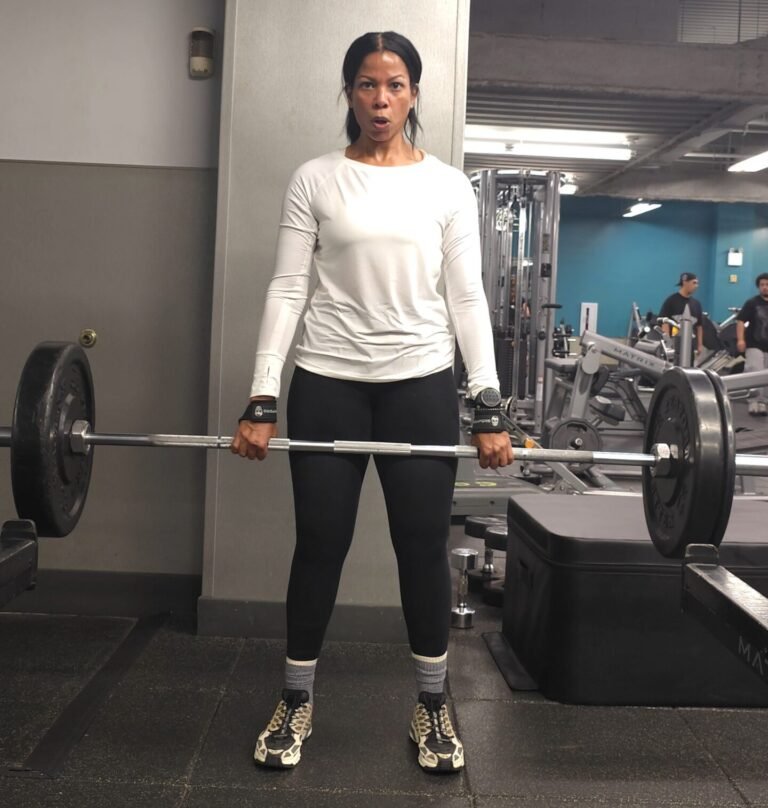
The hinge pattern includes exercises like deadlifts and Romanian deadlifts, which strengthen your glutes and hamstrings. The squat pattern includes back squats and front squats, helping you build lower-body strength and stability. For the push pattern, exercises like the bench press and overhead press develop upper-body power. The pull pattern, including bent-over rows, strengthens your back and improves posture.
Finally, while barbells are not traditionally used for carries, exercises like front-rack holds and Zercher carries challenge your core and total-body control.
Learning these movement patterns doesn’t just make you stronger in the gym, it makes everyday activities easier, from carrying groceries to climbing stairs.
A Few Beginner Tips
If you’re new to barbells, here are a few things I want you to remember:
Start lighter than you think you need to. Focus on how the movement feels before worrying about how much weight is on the bar.
Pay attention to your form. Good technique will always take you further than lifting heavy too soon.
Don’t compare yourself to anyone else in the gym. The person squatting two plates today was once struggling with an empty bar.
And finally, remember that strength takes time. The goal isn’t to master the barbell in a week. The goal is to keep showing up and learning.
Final thoughts
The barbell may seem intimidating at first, but once you understand what it is and how it works, it becomes something entirely different: a tool. A tool for building strength, improving your health, and proving to yourself that you’re capable of more than you think.
You don’t have to be an athlete to use a barbell. You don’t have to be experienced. You just have to be willing to learn.
The more familiar you become with the tools around you, the more confident you’ll feel stepping into the gym—and that confidence is where real progress begins.
Curious about barbells but not sure where to start? I’d love to help. Reach out to learn more about personal training and beginner-friendly coaching designed to help you feel stronger and more confident in the gym. 💪
Want to know more about Kettlebells? Learn more 👉 HERE

