
Ever notice how you feel lighter, happier, and somehow alive after dancing, even if you’re just grooving in your kitchen to your favorite song? That’s not just in your head (well, it is, but in a good way!). Science shows that dancing is one of the most powerful, all-in-one activities for both physical and mental well-being. It’s cardio, coordination, and therapy all rolled into one joyful package.
Why Moving to the Beat Is Medicine for the Body and Mind
When you dance, you’re engaging nearly every muscle group: legs, core, arms, glutes, and even your facial muscles (smiling counts!).
Depending on the style, dancing can burn anywhere from 200 to 600 calories per hour.
A 2018 systematic review in the Journal of Physical Activity and Health and other relevant publications confirms dance training’s positive effects on fitness and balance. Not only does it improve aerobic fitness, but it also enhances muscular endurance and flexibility, especially in adults who aren’t fans of traditional gym workouts.
And the best part? Because it’s fun, you’re more likely to stick with it. Consistency beats intensity every time when it comes to fitness results.
.
It Improves Brain Function and Memory
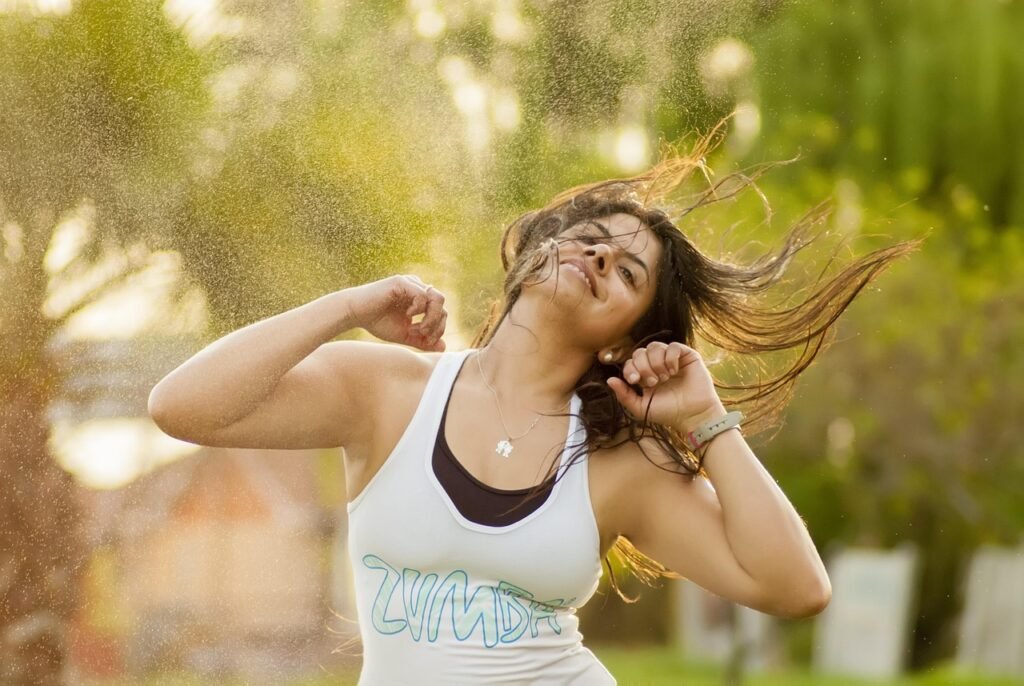
Yes, dancing literally makes you smarter!
Research from the New England Journal of Medicine (2003) found that dancing regularly can reduce the risk of dementia by up to 76%, more than any other physical activity studied. That’s because dancing combines movement, rhythm, coordination, and memory—forcing your brain to constantly form new neural connections.
Learning choreography challenges your brain the same way puzzles or language learning do, strengthening memory and mental flexibility. Plus, when you dance, your brain releases dopamine and serotonin, the feel-good chemicals that improve mood and focus.
It’s a Natural Stress Buster and Mood Booster
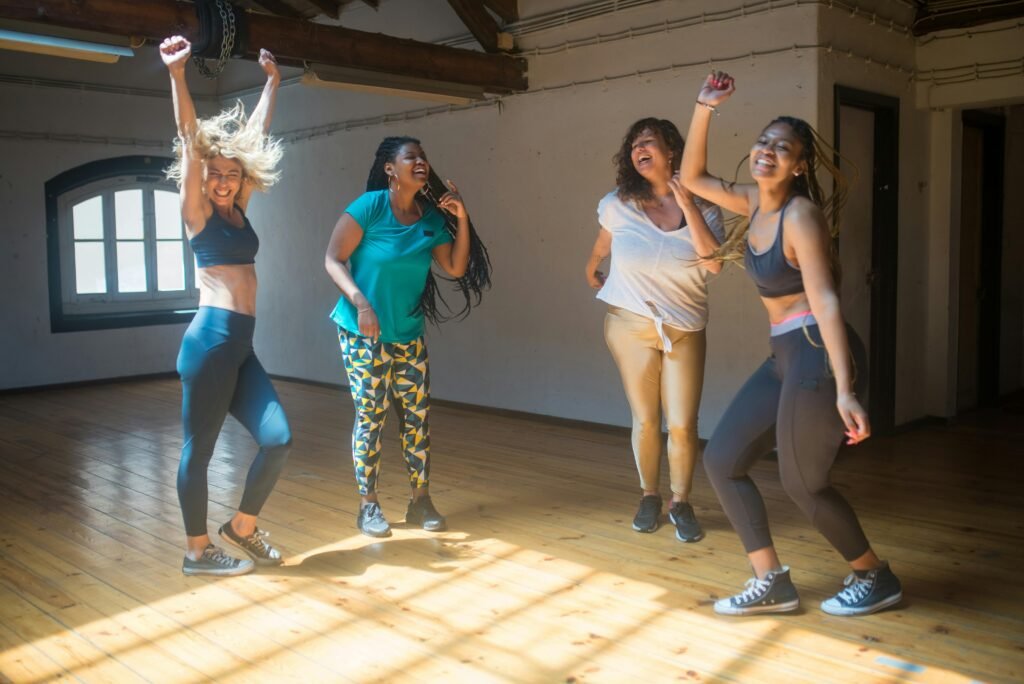
Ever dance it out after a long, stressful day? There’s science behind that magic. Dancing reduces levels of the stress hormone cortisol while increasing endorphins, the body’s natural painkillers and happiness boosters.
A 2015 study in Frontiers in Psychology found that dancing, especially in social or group settings, enhances feelings of connection and emotional release — sometimes even more effectively than traditional exercise. Whether you’re twirling solo or following choreography in a class, that rhythmic movement helps your body process emotions and tension in a healthy way.
It Strengthens Social Bonds (and Self-Confidence)
Dancing is universal. It transcends language and culture. Humans have been dancing for over 9,000 years, often to celebrate, grieve, connect, or express joy. Modern research confirms that dancing together builds empathy and trust.
Group dance or partner styles like salsa and swing promote oxytocin release, known as the “bonding hormone.” That’s why people who dance socially often report higher levels of happiness and lower levels of loneliness.
Even if you’re dancing solo, moving with the music can boost body image and self-esteem. You start focusing less on how your body looks and more on what it can do, and that’s a mindset shift worth celebrating.
It Supports Heart Health, Balance, and Longevity
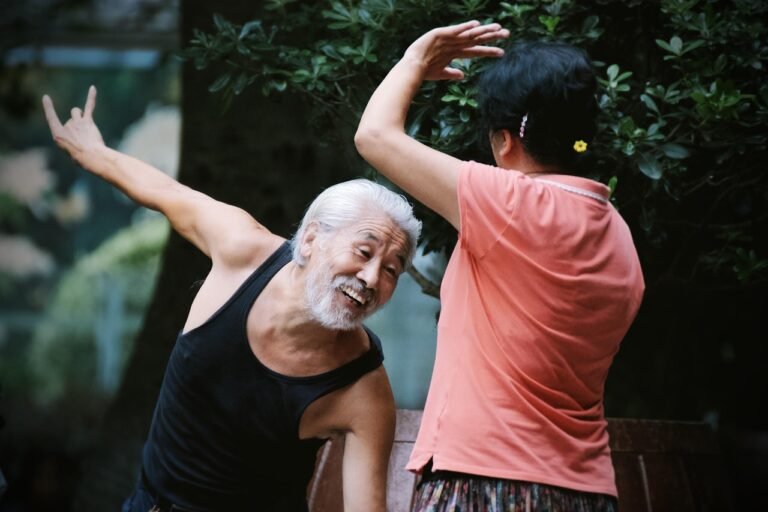
Dancing is a fantastic cardiovascular exercise. A 2016 study in the American Journal of Preventive Medicine found that regular dancers had a 46% lower risk of dying from heart disease compared to non-dancers.
The combination of dynamic movements and rhythm helps regulate blood pressure, improve circulation, and enhance balance — all key factors for longevity. Dance styles like ballroom, Zumba, and even hip-hop require coordination that engages both hemispheres of the brain and activates stabilizing muscles often overlooked in typical workouts.
You Don’t Need to Be a Pro to Reap the Benefits
Here’s the best news: you don’t have to know what you’re doing to benefit. Whether it’s salsa, ballet, line dancing, or a TikTok routine, the point is movement to music.
Put on your favorite playlist and dance like nobody’s watching (because they probably aren’t, and even if they are, you’re inspiring them). The goal isn’t perfection; it’s expression, joy, and connection.

Final Thoughts: Move with Joy, Not Just for Results
I always tell my clients — fitness isn’t punishment for what you ate, it’s a celebration of what your body can do. Dancing reminds us of that truth every time we move to the music.
So next time you’re looking for a way to move your body, skip the treadmill, turn up your favorite song, and dance like nobody’s watching.
Your mind, body, and heart will thank you.

Ready to bring more fun and movement into your fitness routine?
I help clients build stronger, healthier bodies through personalized training and wellness coaching, and yes, we make it enjoyable.
Let’s work together to find the kind of movement that makes you want to move.
👉 Contact me here to get started!