



Inflammation: What It Is, Why It Happens, and How to Calm the Fire With Food

A man lies humorously on a couch, surrounded by orange pillows, with a vacuum cleaner resting against him.

If you’ve ever felt puffy, achy, sluggish, or like your body is “on edge,” there’s a good chance inflammation is involved. But before we drag inflammation like it’s the villain of the year, let’s get one thing straight: inflammation is actually your body trying to help you.

The problem?  Sometimes the system doesn’t shut off…and that’s when things get messy. Let’s break it all down in a way that’s science-backed and easy to understand.

What Is Inflammation, Really?

Inflammation is your immune system’s natural response to stress, injury, or invaders (like bacteria, viruses, or that questionable sushi from last week).

Two main types:

Acute inflammation

Short-term. Helpful. Like when you twist your ankle and it balloons up—your body is sending in a SWAT team to fix the damage.

Chronic inflammation

Long-term. Not helpful.
This is when the immune system stays turned on—low-grade, simmering in the background, day after day.

Chronic inflammation has been linked to:

  • Type 2 diabetes

  • Heart disease

  • Arthritis

  • Cognitive decline

  • Autoimmune conditions

  • Obesity

  • Digestive issues

Chronic inflammation is often measured by high levels of CRP (C-reactive protein), IL-6, TNF-α, and other inflammatory markers. Elevated levels are consistently associated with higher disease risk.

Get the free E-book !

This is the guide your future self will want you to download and your joints, digestion, energy, and mood will thank you for

Close-up of hands gripping an overweight belly, depicting body fat focus.

How Does Inflammation Start?

Inflammation is triggered when the immune system senses a threat. That “threat” can come from:

🔹 1. Poor diet

Highly processed foods can activate inflammatory pathways like NF-κB.

Common triggers include:

  • Added sugars
  • Trans fats
  • Refined carbs
  • Excess alcohol
  • Industrial seed oils (corn, soybean, cottonseed)

🔹 2. Chronic stress

Your stress hormone (cortisol) is meant to protect you, but when it stays elevated, it disrupts immune function and increases inflammation.

🔹 3. Lack of sleep

Even one bad night increases inflammatory protein IL-6. Long-term sleep deprivation? Major inflammation party.

🔹 4. Sedentary lifestyle

Studies show inactivity raises CRP, while movement quickly lowers inflammatory markers.

🔹 5. Environmental toxins

Pollution, smoke, mold, and chemicals can activate immune cells and trigger inflammation.

🔹 6. Excess body fat

Especially visceral fat—the kind around the organs. This fat isn’t just storage, it’s metabolically active and releases inflammatory cytokines.

What to Avoid If You Want to Reduce Inflammation

You don’t need to be perfect—just make small adjustments that stack up.

Foods that fuel inflammation:
  • Processed meats (bacon, sausage, deli meats)
  • Refined carbohydrates (white bread, pastries, sugary cereals)
  • Sugary drinks (sodas, energy drinks, sweetened coffees)
  • Fried foods
  • Excessive alcohol
  • Added sugars
  • Trans fats (often listed as “partially hydrogenated oils”)
  • Industrial seed oils (corn, soybean, safflower, cottonseed—high in omega-6)
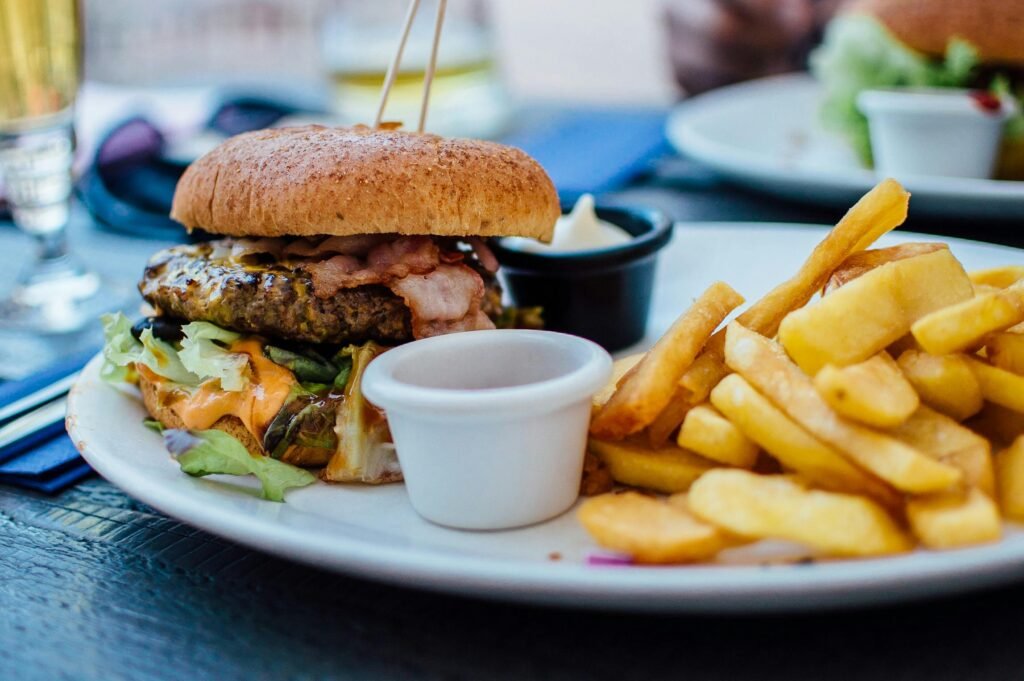
Close-up of a juicy burger and crispy fries served with sauces, perfect for a hearty meal.
Diets high in omega-6 and low in omega-3 fatty acids can create an imbalance that increases inflammation. While omega-6 isn’t “bad,” too much of it without omega-3 causes issues.

What to Eat to Calm Inflammation

These foods help lower inflammatory markers and support healing. You don’t have to overhaul everything at once just add more of these daily

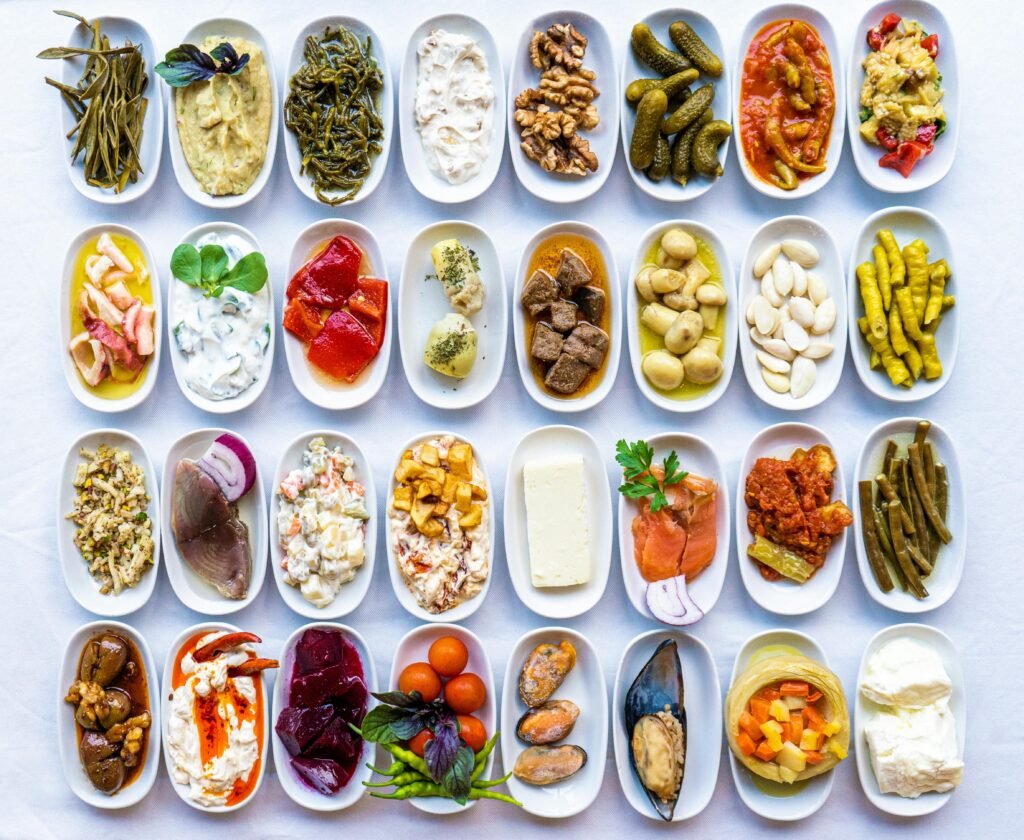
A vibrant display of traditional Turkish meze dishes on a white tablecloth, showcasing authentic flavors.

 Anti-Inflammatory All-Stars

🫐 1. Berries

Rich in anthocyanins—compounds shown to reduce oxidative stress and inflammation.

🥬 2. Leafy greens

Spinach, kale, arugula—they’re full of antioxidants, magnesium, and polyphenols.

🐟 3. Fatty fish

Wild salmon, sardines, mackerel, trout.

Omega-3s (EPA & DHA) actively decrease inflammatory signaling.

🫒 4. Extra-virgin olive oil

Loaded with oleocanthal, which works similarly to ibuprofen in its anti-inflammatory effect.

🥑 5. Avocados

Contain monounsaturated fats, fiber, and antioxidants.

🍵 6. Green tea

EGCG is a powerful anti-inflammatory polyphenol.

🍊 7. Citrus fruits

Vitamin C helps regulate immune function and control inflammation.

🧄 8. Garlic & ginger

These two are basically the Beyoncé and Rihanna of anti-inflammatory spices—powerful and always on the charts.

🫘 9. Beans & legumes

Fiber reduces inflammation by improving gut health—70% of your immune system lives in your gut!

🍫 10. Dark chocolate (70%+)

Yes—your permission slip. Polyphenols help lower CRP.

Close-up of dark chocolate pieces and raspberries, perfect for gourmet dessert ideas.

Fun Fact: Your Gut Controls Your Inflammation !

A healthy gut microbiome helps regulate the immune system. A damaged one increases inflammation.


Foods that support a healthy gut:

Fermented foods (kimchi, sauerkraut, kefir)

High-fiber foods

Prebiotic foods (onions, garlic, bananas, asparagus)

Final Thoughts: You Can Turn Down the Heat!

Inflammation doesn’t have to run your life. Small, consistent habits—movement, sleep, stress reduction, and an anti-inflammatory diet—can dramatically change how you feel.

Think of it as giving your body the support it’s been begging for.

And remember:

Health isn’t just the absence of disease; it’s the presence of vitality. 

If you want help building a lifestyle and nutrition plan that reduces inflammation, boosts energy, and fits into your real life, reach out and I’ll guide you step-by-step.

  • All Posts
  • Exercise
  • Nutrition
  • Wellness
    •   Back
    • Other

Leave a Comment

Your email address will not be published. Required fields are marked *

Scroll to Top