
Wellness

all things wellness

Jump Training: What is it and why you should do it (especially if you’re a woman in menopause)?

What happens to our bones as we age ? As we age, our bones slowly begin to lose density because the natural balance between bone breakdown and bone formation shifts—around midlife, especially after the age of about 50, bone resorption (breakdown) starts to outpace bone formation. Hopkins Medicine+2Bone Health & Osteoporosis Foundation+2 For women in particular, the transition through Menopause accelerates this loss sharply: with the decline in estrogen, women may lose on the order of 1.8-2.3% of bone mineral density per year at the spine and about 1-1.4% per year at the hip during the 5-10 years surrounding menopause. Menopause Facts+2UCLA Health+2 In fact, women can lose up to 10–12 % of bone density in the hip and spine across the menopausal transition and as much as 20 % or more in the first five to seven years following menopause. UCLA Health+3Bone Health & Osteoporosis Foundation+3Better Health Channel+3 Over the longer span of life, by age 80, women on average have lost about 30% of their peak bone mass. Australasian Menopause Society That means weaker structure, thinner bone walls, and larger internal “honeycombs” in the bone—all combining to raise the risk of osteopenia, then osteoporosis, and fractures. National Council on Aging+1 Understanding these numbers underscores why training the skeleton (heavy lifting, high-impact jumps, sprinting) and nutrition matter, especially for women in midlife. What you can do to help bone density—jump training One of the most effective and surprisingly simple ways to protect and even rebuild bone density is through jump training. Our bones respond to stress, and the impact from jumping sends a signal to your body to strengthen and fortify the skeletal structure. This process, called mechanical loading, stimulates bone-forming cells (osteoblasts) to increase bone mineral density, particularly in the hips and spine, the areas most vulnerable to age-related loss. Research shows that short bouts of high-impact exercise, such as 10 minutes of jumping three times per week, can significantly improve bone density, even in women with osteopenia.  You don’t need to perform extreme plyometrics; simple hops, jump squats, or small bounding movements on a firm surface are enough to get results. The key is consistency and progression. Start with gentle impact and gradually increase intensity as your strength and confidence grow. Over time, these small but powerful sessions can help you maintain strong, resilient bones that support you for decades. What happens to bones when continued stress is administered? Bones respond by becoming stronger and denser through a process known as bone remodeling. This process is guided by Wolff’s Law, which states that bone tissue adapts to the loads under which it is placed.  The mechanical stress stimulates specialized cells called osteocytes, which then signal osteoblasts (bone-building cells) to lay down new bone matrix and osteoclasts to resorb older or weaker bone tissue.  Over time, this coordinated activity increases bone mineral density and improves structural strength. Studies published in journals like Bone and the Journal of Applied Physiology have shown that regular high-impact or resistance exercise can increase bone density by 1–3% annually in adults, a meaningful gain, especially when offsetting the typical age-related loss. In essence, consistent mechanical stress teaches your bones to stay strong, functional, and fracture-resistant well into later life. Jump training can be incredibly beneficial, but it’s not suitable for everyone at least not right away. Here’s who should avoid or modify jump training until properly cleared or conditioned. People with joint pain or arthritis flare-ups: High-impact movements can aggravate knees, hips, or ankles that are already inflamed or unstable. Those with osteoporosis or severe osteopenia: While impact can improve bone density, jumping without proper supervision or foundational strength can increase fracture risk. Anyone recovering from injury or surgery: Especially if it involves the lower body, spine, or core — you need full strength, stability, and clearance from a medical professional first. Individuals with balance or coordination issues: Falls during jump training can cause more harm than good; stability work should come first. Beginners without strength training experience: Jumping should build on a foundation of strength — think of it as “level 2,” after you can squat, hinge, and land safely. In short: jump training is powerful when done right, but it should be progressive, controlled, and tailored to your current ability. For many people, that means starting with low-impact drills, learning proper landing mechanics, and building from there. Let’s work together ! As a Certified Personal Trainer, I can help you safely integrate jump training into your fitness plan, customizing the intensity, frequency, and type of movement to suit your current fitness level and goals. Whether you’re starting from scratch or looking to build on your existing routine, I’ll guide you through proper form, progression, and recovery to maximize benefits while minimizing risk. A few minutes of intentional, high-impact work each week can make a remarkable difference in your long-term strength, stability, and vitality. Your bones thrive on challenge.  Let’s build that strength together. Get Started
Jump Training: What is it and why you should do it (especially if you’re a woman in menopause)? Read More »

Exercise, Wellness

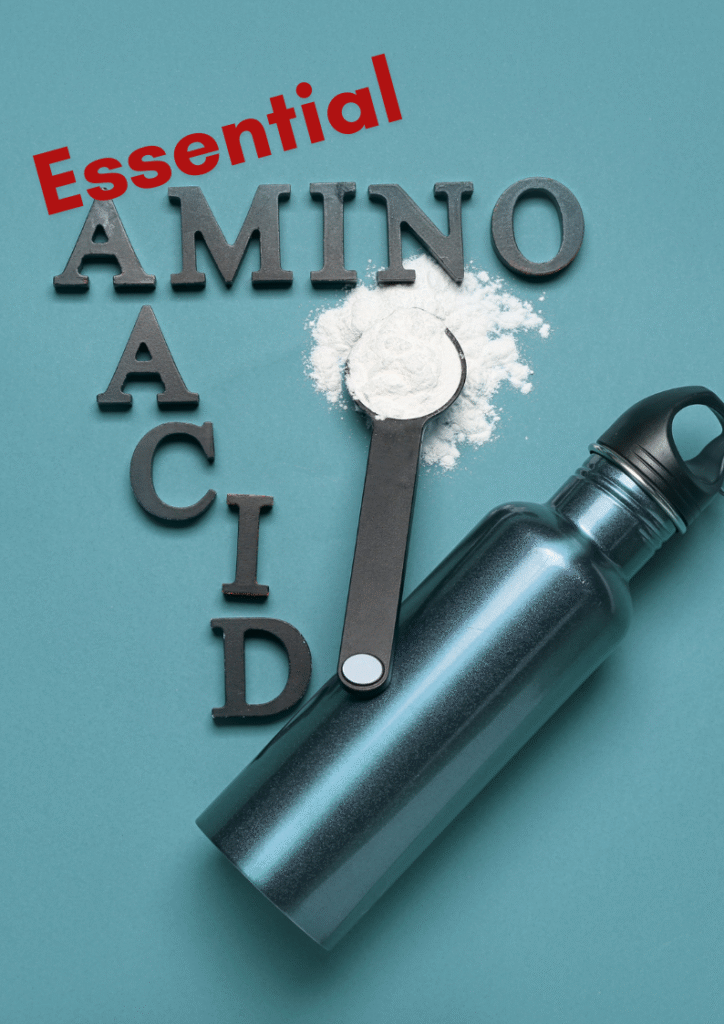
EAAs: The Tiny Nutrients With Big Muscle (and Health) Power

If you’ve ever heard someone throw around the term EAAs in the gym like it’s some exclusive secret code, don’t worry—you’re about to be in the club. And no, it’s not a new boy band. EAAs stand for Essential Amino Acids, and if you care about feeling strong, recovering faster, and making your body run like it came with the premium engine upgrade… these little guys matter. Let’s break it down without the confusing biochem jargon. You deserve clarity, not a migraine. What Exactly Are EAAs? EAAs are nine amino acids your body absolutely needs but cannot make on its own. Since your body can’t DIY these, you must get them from food or supplements. These nine VIPs are: Leucine Isoleucine Valine Lysine Methionine Threonine Phenylalanine Tryptophan Histidine Think of them as the foundational building blocks for nearly everything your body does—especially anything related to muscle, energy, and recovery. Why EAAs Matter (According to Actual Science, Not Bro Science) 1. They Trigger Muscle Protein Synthesis (MPS) This is the process your body uses to repair and build muscle.Research shows that EAAs, especially leucine directly stimulate MPS.Translation: EAAs flip the muscle-building switch. Without them, the switch stays off… even if you worked out like a beast. 2. They Improve Recovery After Training Studies show EAA supplementation can reduce muscle soreness and improve recovery by supporting faster tissue repair. Your muscles basically go, “Thanks… I needed that.” 3. EAAs Help Preserve Lean Muscle When Calories Are Low Cutting? Dieting? Living off iced coffee and vibes?EAAs help prevent muscle breakdown during calorie deficits by providing the amino acids your body would otherwise steal from your muscle tissue. Science calls it “anti-catabolic.” You can call it “saving your progress.” 4. They Support Exercise Performance Research has shown EAAs can: Reduce perceived fatigue Improve endurance Enhance workout output.                                                                                                                                                                 That means the “I’m dying”-Feeling gets pushed back a bit further. 5. EAAs Support Immune, Hormonal & Metabolic Health Your immune system uses amino acids like tools in a toolbox.Your neurotransmitters? Built from amino acids.Your metabolism? Also supported by amino acids. This is why low protein diets often come with fatigue, mood dips, and constant hunger. EAAs help keep the whole system running smoothly. EAAs vs BCAAs: The Battle of the Acronyms BCAAs get a lot of hype, but here’s the science-backed truth: they’re only part of the picture. BCAAs—leucine, isoleucine, and valine—are three of the nine essential amino acids and do play a role in muscle protein synthesis, especially leucine, which acts as the “on” switch. However, research shows that BCAAs alone cannot fully stimulate or sustain muscle protein synthesis because your body still needs the other six essential amino acids to actually build and repair muscle tissue. It’s like turning on the oven without having all the ingredients to bake the cake. EAAs, on the other hand, provide the full lineup your body requires for complete muscle repair, recovery, and growth. Bottom line: BCAAs can help, but EAAs do the whole job—and if your goal is real results, the full team always beats the highlight reel. Where to Get EAAs (No Supplements Required—Unless You Want Them) Good news: if you’re eating enough high-quality protein, you’re already getting your EAAs—no fancy powder required. Complete protein sources naturally contain all nine essential amino acids in the amounts your body needs. Think eggs, chicken, turkey, fish, lean beef, Greek yogurt, cottage cheese, whey protein, tofu, tempeh, soy, quinoa, and even beans and rice together (teamwork makes the protein complete). Whole foods don’t just deliver EAAs; they also come with vitamins, minerals, and other nutrients that support overall health and recovery. Supplements can be helpful on busy days, around workouts, or if protein intake is inconsistent—but they’re exactly that: a supplement, not a replacement. Food builds the foundation. Supplements just help fill the cracks when life gets messy. When EAAs Are Actually Helpful Do you need EAA supplements? Not mandatory.But they can be smart in certain situations: Pre- or intra-workout: to improve energy and reduce fatigue Post-workout: to speed up recovery On low-protein days: when you’re barely scraping 50g by dinner During cutting phases: to help protect lean muscle And yes, they’re safe for most people—but anyone with medical conditions should check with their healthcare provider (we love gains, not lawsuits). How Much Do You Need? (What the Science Actually Says) Your body is built to thrive—EAAs are just one of the tools that help it do exactly that. Research consistently shows that the minimum protein intake to prevent deficiency is 0.8 g per kilogram of body weight per day, but let’s be honest—that’s the bare minimum to survive, not to thrive. For active adults, resistance training clients, and anyone looking to build or maintain lean muscle, the evidence strongly supports a higher intake. Multiple studies and position stands (including the International Society of Sports Nutrition) show optimal results for muscle protein synthesis, recovery, and body composition occur in the range of 1.4–2.0 g/kg/day, with some evidence supporting up to 2.2 g/kg/day during fat loss or intense training phases. Hitting this range ensures you’re getting all nine essential amino acids in sufficient amounts, especially leucine, which has been shown to be a key trigger for muscle protein synthesis. Translation: if your protein intake is low, your body doesn’t have enough EAAs to do the job—no matter how hard you train.   Bottom Line EAAs aren’t magic, but they’re absolutely essential (literally).They help you: Build muscle Recover faster Stay energized Support immune and metabolic health Protect your hard-earned progress If your

EAAs: The Tiny Nutrients With Big Muscle (and Health) Power Read More »

Nutrition, Wellness
Close-up of hands gripping an overweight belly, depicting body fat focus.

Inflammation: What It Is, Why It Happens, and How to Calm the Fire With Food

If you’ve ever felt puffy, achy, sluggish, or like your body is “on edge,” there’s a good chance inflammation is involved. But before we drag inflammation like it’s the villain of the year, let’s get one thing straight: inflammation is actually your body trying to help you. The problem?  Sometimes the system doesn’t shut off…and that’s when things get messy. Let’s break it all down in a way that’s science-backed and easy to understand. What Is Inflammation, Really? Inflammation is your immune system’s natural response to stress, injury, or invaders (like bacteria, viruses, or that questionable sushi from last week). Two main types: Acute inflammation Short-term. Helpful. Like when you twist your ankle and it balloons up—your body is sending in a SWAT team to fix the damage. Chronic inflammation Long-term. Not helpful.This is when the immune system stays turned on—low-grade, simmering in the background, day after day. Chronic inflammation has been linked to: Type 2 diabetes Heart disease Arthritis Cognitive decline Autoimmune conditions Obesity Digestive issues Chronic inflammation is often measured by high levels of CRP (C-reactive protein), IL-6, TNF-α, and other inflammatory markers. Elevated levels are consistently associated with higher disease risk. Get the free E-book ! This is the guide your future self will want you to download and your joints, digestion, energy, and mood will thank you for Free E-book How Does Inflammation Start? Inflammation is triggered when the immune system senses a threat. That “threat” can come from: 🔹 1. Poor diet Highly processed foods can activate inflammatory pathways like NF-κB. Common triggers include: Added sugars Trans fats Refined carbs Excess alcohol Industrial seed oils (corn, soybean, cottonseed) 🔹 2. Chronic stress Your stress hormone (cortisol) is meant to protect you, but when it stays elevated, it disrupts immune function and increases inflammation. 🔹 3. Lack of sleep Even one bad night increases inflammatory protein IL-6. Long-term sleep deprivation? Major inflammation party. 🔹 4. Sedentary lifestyle Studies show inactivity raises CRP, while movement quickly lowers inflammatory markers. 🔹 5. Environmental toxins Pollution, smoke, mold, and chemicals can activate immune cells and trigger inflammation. 🔹 6. Excess body fat Especially visceral fat—the kind around the organs. This fat isn’t just storage, it’s metabolically active and releases inflammatory cytokines. What to Avoid If You Want to Reduce Inflammation You don’t need to be perfect—just make small adjustments that stack up. Foods that fuel inflammation: Processed meats (bacon, sausage, deli meats) Refined carbohydrates (white bread, pastries, sugary cereals) Sugary drinks (sodas, energy drinks, sweetened coffees) Fried foods Excessive alcohol Added sugars Trans fats (often listed as “partially hydrogenated oils”) Industrial seed oils (corn, soybean, safflower, cottonseed—high in omega-6) Diets high in omega-6 and low in omega-3 fatty acids can create an imbalance that increases inflammation. While omega-6 isn’t “bad,” too much of it without omega-3 causes issues. What to Eat to Calm Inflammation These foods help lower inflammatory markers and support healing. You don’t have to overhaul everything at once just add more of these daily  Anti-Inflammatory All-Stars 🫐 1. Berries Rich in anthocyanins—compounds shown to reduce oxidative stress and inflammation. 🥬 2. Leafy greens Spinach, kale, arugula—they’re full of antioxidants, magnesium, and polyphenols. 🐟 3. Fatty fish Wild salmon, sardines, mackerel, trout. Omega-3s (EPA & DHA) actively decrease inflammatory signaling. 🫒 4. Extra-virgin olive oil Loaded with oleocanthal, which works similarly to ibuprofen in its anti-inflammatory effect. 🥑 5. Avocados Contain monounsaturated fats, fiber, and antioxidants. 🍵 6. Green tea EGCG is a powerful anti-inflammatory polyphenol. 🍊 7. Citrus fruits Vitamin C helps regulate immune function and control inflammation. 🧄 8. Garlic & ginger These two are basically the Beyoncé and Rihanna of anti-inflammatory spices—powerful and always on the charts. 🫘 9. Beans & legumes Fiber reduces inflammation by improving gut health—70% of your immune system lives in your gut! 🍫 10. Dark chocolate (70%+) Yes—your permission slip. Polyphenols help lower CRP. Fun Fact: Your Gut Controls Your Inflammation ! A healthy gut microbiome helps regulate the immune system. A damaged one increases inflammation.   Foods that support a healthy gut: Fermented foods (kimchi, sauerkraut, kefir) High-fiber foods Prebiotic foods (onions, garlic, bananas, asparagus) Final Thoughts: You Can Turn Down the Heat! Inflammation doesn’t have to run your life. Small, consistent habits—movement, sleep, stress reduction, and an anti-inflammatory diet—can dramatically change how you feel. Think of it as giving your body the support it’s been begging for. And remember: Health isn’t just the absence of disease; it’s the presence of vitality.  If you want help building a lifestyle and nutrition plan that reduces inflammation, boosts energy, and fits into your real life, reach out and I’ll guide you step-by-step. Get in Touch All Posts Excercise Nutrition Personal Wellness Inflammation: What It Is, Why It Happens, and How to Calm the Fire With Food November 21, 2025/No Comments If you’ve ever felt puffy, achy, sluggish, or like your body is “on edge,” there’s a good chance inflammation is… Read More Fiber: The Unsung Hero of Your Gut (and Your Gains) November 10, 2025/No Comments When we talk about nutrition, protein and carbs often steal the spotlight, but there’s another nutrient quietly doing superhero work… Read More The Joyful Science of Dance: How Moving to the Beat Heals Your Body and Mind October 18, 2025/No Comments Ever notice how you feel lighter, happier, and somehow alive after dancing, even if you’re just grooving in your kitchen… Read More The Romanian Deadlift October 4, 2025/No Comments The Glorious, Slightly Theatrical History of the Romanian Deadlift. Once upon a gym in a time before Instagram clips of… Read More Well-being: letting go October 2, 2025/No Comments When I used to think of “wellness,” I thought of things like chia seeds, gym memberships, and buying expensive candles… Read More

Inflammation: What It Is, Why It Happens, and How to Calm the Fire With Food Read More »

Nutrition, Wellness
Group of cheerful young multiracial ladies laughing and dancing with beer bottles in hands during summer party on rooftop on sunny day

The Joyful Science of Dance: How Moving to the Beat Heals Your Body and Mind

Ever notice how you feel lighter, happier, and somehow alive after dancing, even if you’re just grooving in your kitchen to your favorite song? That’s not just in your head (well, it is, but in a good way!). Science shows that dancing is one of the most powerful, all-in-one activities for both physical and mental well-being. It’s cardio, coordination, and therapy all rolled into one joyful package. Why Moving to the Beat Is Medicine for the Body and Mind When you dance, you’re engaging nearly every muscle group: legs, core, arms, glutes, and even your facial muscles (smiling counts!).  Depending on the style, dancing can burn anywhere from 200 to 600 calories per hour. A 2018 systematic review in the Journal of Physical Activity and Health and other relevant publications confirms dance training’s positive effects on fitness and balance. Not only does it improve aerobic fitness, but it also enhances muscular endurance and flexibility, especially in adults who aren’t fans of traditional gym workouts. And the best part? Because it’s fun, you’re more likely to stick with it. Consistency beats intensity every time when it comes to fitness results. . It Improves Brain Function and Memory Yes, dancing literally makes you smarter! Research from the New England Journal of Medicine (2003) found that dancing regularly can reduce the risk of dementia by up to 76%, more than any other physical activity studied. That’s because dancing combines movement, rhythm, coordination, and memory—forcing your brain to constantly form new neural connections. Learning choreography challenges your brain the same way puzzles or language learning do, strengthening memory and mental flexibility. Plus, when you dance, your brain releases dopamine and serotonin, the feel-good chemicals that improve mood and focus. It’s a Natural Stress Buster and Mood Booster Ever dance it out after a long, stressful day? There’s science behind that magic. Dancing reduces levels of the stress hormone cortisol while increasing endorphins, the body’s natural painkillers and happiness boosters. A 2015 study in Frontiers in Psychology found that dancing, especially in social or group settings, enhances feelings of connection and emotional release — sometimes even more effectively than traditional exercise. Whether you’re twirling solo or following choreography in a class, that rhythmic movement helps your body process emotions and tension in a healthy way. It Strengthens Social Bonds (and Self-Confidence) Dancing is universal. It transcends language and culture. Humans have been dancing for over 9,000 years, often to celebrate, grieve, connect, or express joy. Modern research confirms that dancing together builds empathy and trust. Group dance or partner styles like salsa and swing promote oxytocin release, known as the “bonding hormone.” That’s why people who dance socially often report higher levels of happiness and lower levels of loneliness. Even if you’re dancing solo, moving with the music can boost body image and self-esteem. You start focusing less on how your body looks and more on what it can do, and that’s a mindset shift worth celebrating. It Supports Heart Health, Balance, and Longevity Dancing is a fantastic cardiovascular exercise. A 2016 study in the American Journal of Preventive Medicine found that regular dancers had a 46% lower risk of dying from heart disease compared to non-dancers. The combination of dynamic movements and rhythm helps regulate blood pressure, improve circulation, and enhance balance — all key factors for longevity. Dance styles like ballroom, Zumba, and even hip-hop require coordination that engages both hemispheres of the brain and activates stabilizing muscles often overlooked in typical workouts. You Don’t Need to Be a Pro to Reap the Benefits Here’s the best news: you don’t have to know what you’re doing to benefit. Whether it’s salsa, ballet, line dancing, or a TikTok routine, the point is movement to music. Put on your favorite playlist and dance like nobody’s watching (because they probably aren’t, and even if they are, you’re inspiring them). The goal isn’t perfection; it’s expression, joy, and connection. Final Thoughts: Move with Joy, Not Just for Results I always tell my clients — fitness isn’t punishment for what you ate, it’s a celebration of what your body can do. Dancing reminds us of that truth every time we move to the music. So next time you’re looking for a way to move your body, skip the treadmill, turn up your favorite song, and dance like nobody’s watching. Your mind, body, and heart will thank you. Ready to bring more fun and movement into your fitness routine? I help clients build stronger, healthier bodies through personalized training and wellness coaching, and yes, we make it enjoyable. Let’s work together to find the kind of movement that makes you want to move.👉 Contact me here to get started!

The Joyful Science of Dance: How Moving to the Beat Heals Your Body and Mind Read More »

Wellness
woman, dock, nature, lake, outdoors, person, pier, scenic, sitting, water, jetty, alone, sit, solitude, solitary, lonely

Well-being: letting go

When I used to think of “wellness,” I thought of things like chia seeds, gym memberships, and buying expensive candles that smelled like pine forests I’d never visit. But somewhere along the way, I realized wellness isn’t just about what I eat or how flexible I am in yoga class (for the record: not very). It’s very much about the mental and emotional well-being—protecting the part of me that no one else can see but that affects everything. I’ve been thinking about this a lot lately, as I am going through one of life’s phases. Desperate for change. Longing for something different. Filled with hope, I got an array of books I thought would  help me make sense of things.  The hardest part of that journey has been learning how to let go. Letting go of people, habits, and even dreams I once held so tightly. And if I’m being honest, it never starts with logic—it starts with a gut feeling. I remember a friendship I had in my twenties. On paper, it was perfect: we laughed a lot, we hung out constantly, we were “inseparable.” But every time I left her house, I felt drained, like someone had unplugged my charger. I’d replay conversations in my head, questioning myself, wondering if I said the wrong thing. At first, I brushed it off as overthinking. But deep down, my gut was already telling me: this connection is costing more than it’s giving. Then there was the job I thought was my dream. It had the title, the paycheck, the shiny business card. I pushed through late nights, constant emails, and that Sunday night dread that crept in like clockwork. Everyone else thought I was thriving, but I’d wake up with a pit in my stomach every morning. My gut wasn’t whispering anymore—it was shouting. It took me longer than I’d like to admit to listen, but when I finally walked away, I realized how much of myself I’d been sacrificing just to “make it work.” And relationships? Oh, they’ve been some of the biggest teachers. One, in particular, taught me more about letting go than anything else. He was kind, charming, and someone I thought would be in my forever story. But deep down, there was always this sense of instability—like I couldn’t fully relax. My gut never settled, and no amount of love could quiet that feeling. Walking away was heartbreaking. But years later, I can see it clearly: he wasn’t meant to be permanent. He was meant to teach me. That’s the thing: not every person or situation is supposed to last. Some are here for a season, to hold up a mirror, to teach us boundaries, or to show us what we value most. They serve their purpose, and then we have to do the hard part—thank them for the lesson, and let go. Letting go feels terrible at first. It feels like pulling up roots. You cry, you doubt yourself, you wonder if you’ll regret it. But once you do it—really do it—the relief is undeniable. It’s like carrying a backpack full of bricks and suddenly setting it down. You don’t even realize how heavy it was until you’re free of it. For me, wellness isn’t about living a picture-perfect life where everything feels “positive.” It’s about listening to my gut, honoring my energy, and choosing people and places that leave me lighter, not smaller. It’s about trusting that some things are meant for a time, not forever. And it’s about believing that by letting go, I’m actually making room for better things to come. Wellness, in the end, is about creating a life where your mind, heart, and spirit can breathe. And sometimes, the bravest act of self-care is simply saying, “This isn’t for me anymore.”

Well-being: letting go Read More »

Other
Scroll to Top