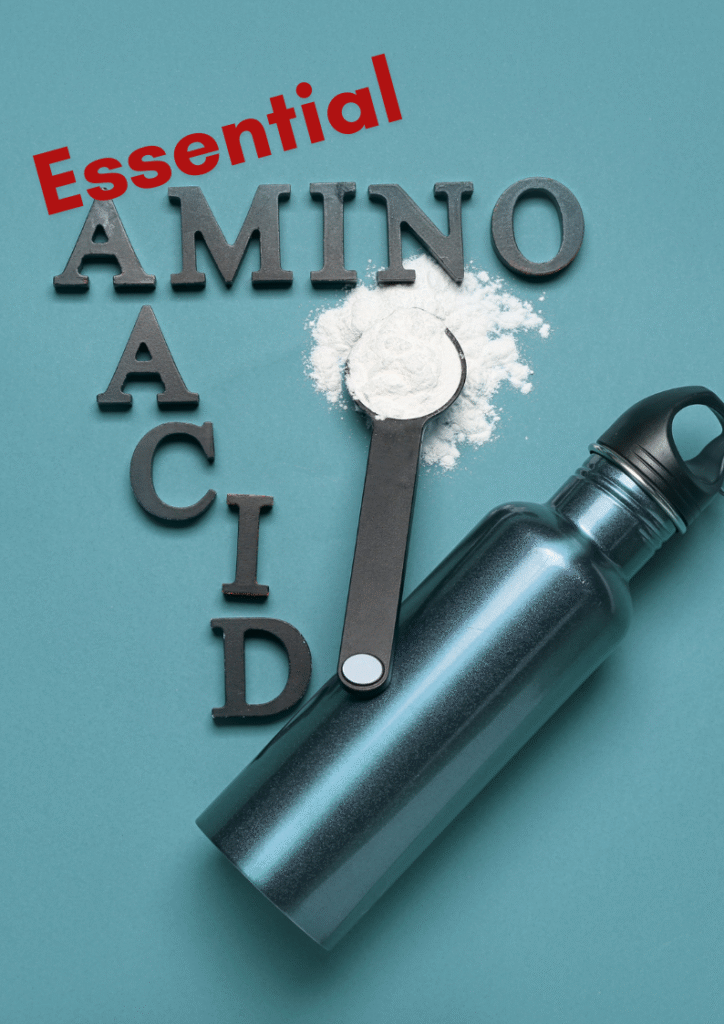
EAAs: The Tiny Nutrients With Big Muscle (and Health) Power
If you’ve ever heard someone throw around the term EAAs in the gym like it’s some exclusive secret code, don’t worry—you’re about to be in the club. And no, it’s not a new boy band. EAAs stand for Essential Amino Acids, and if you care about feeling strong, recovering faster, and making your body run like it came with the premium engine upgrade… these little guys matter. Let’s break it down without the confusing biochem jargon. You deserve clarity, not a migraine. What Exactly Are EAAs? EAAs are nine amino acids your body absolutely needs but cannot make on its own. Since your body can’t DIY these, you must get them from food or supplements. These nine VIPs are: Leucine Isoleucine Valine Lysine Methionine Threonine Phenylalanine Tryptophan Histidine Think of them as the foundational building blocks for nearly everything your body does—especially anything related to muscle, energy, and recovery. Why EAAs Matter (According to Actual Science, Not Bro Science) 1. They Trigger Muscle Protein Synthesis (MPS) This is the process your body uses to repair and build muscle.Research shows that EAAs, especially leucine directly stimulate MPS.Translation: EAAs flip the muscle-building switch. Without them, the switch stays off… even if you worked out like a beast. 2. They Improve Recovery After Training Studies show EAA supplementation can reduce muscle soreness and improve recovery by supporting faster tissue repair. Your muscles basically go, “Thanks… I needed that.” 3. EAAs Help Preserve Lean Muscle When Calories Are Low Cutting? Dieting? Living off iced coffee and vibes?EAAs help prevent muscle breakdown during calorie deficits by providing the amino acids your body would otherwise steal from your muscle tissue. Science calls it “anti-catabolic.” You can call it “saving your progress.” 4. They Support Exercise Performance Research has shown EAAs can: Reduce perceived fatigue Improve endurance Enhance workout output. That means the “I’m dying”-Feeling gets pushed back a bit further. 5. EAAs Support Immune, Hormonal & Metabolic Health Your immune system uses amino acids like tools in a toolbox.Your neurotransmitters? Built from amino acids.Your metabolism? Also supported by amino acids. This is why low protein diets often come with fatigue, mood dips, and constant hunger. EAAs help keep the whole system running smoothly. EAAs vs BCAAs: The Battle of the Acronyms BCAAs get a lot of hype, but here’s the science-backed truth: they’re only part of the picture. BCAAs—leucine, isoleucine, and valine—are three of the nine essential amino acids and do play a role in muscle protein synthesis, especially leucine, which acts as the “on” switch. However, research shows that BCAAs alone cannot fully stimulate or sustain muscle protein synthesis because your body still needs the other six essential amino acids to actually build and repair muscle tissue. It’s like turning on the oven without having all the ingredients to bake the cake. EAAs, on the other hand, provide the full lineup your body requires for complete muscle repair, recovery, and growth. Bottom line: BCAAs can help, but EAAs do the whole job—and if your goal is real results, the full team always beats the highlight reel. Where to Get EAAs (No Supplements Required—Unless You Want Them) Good news: if you’re eating enough high-quality protein, you’re already getting your EAAs—no fancy powder required. Complete protein sources naturally contain all nine essential amino acids in the amounts your body needs. Think eggs, chicken, turkey, fish, lean beef, Greek yogurt, cottage cheese, whey protein, tofu, tempeh, soy, quinoa, and even beans and rice together (teamwork makes the protein complete). Whole foods don’t just deliver EAAs; they also come with vitamins, minerals, and other nutrients that support overall health and recovery. Supplements can be helpful on busy days, around workouts, or if protein intake is inconsistent—but they’re exactly that: a supplement, not a replacement. Food builds the foundation. Supplements just help fill the cracks when life gets messy. When EAAs Are Actually Helpful Do you need EAA supplements? Not mandatory.But they can be smart in certain situations: Pre- or intra-workout: to improve energy and reduce fatigue Post-workout: to speed up recovery On low-protein days: when you’re barely scraping 50g by dinner During cutting phases: to help protect lean muscle And yes, they’re safe for most people—but anyone with medical conditions should check with their healthcare provider (we love gains, not lawsuits). How Much Do You Need? (What the Science Actually Says) Your body is built to thrive—EAAs are just one of the tools that help it do exactly that. Research consistently shows that the minimum protein intake to prevent deficiency is 0.8 g per kilogram of body weight per day, but let’s be honest—that’s the bare minimum to survive, not to thrive. For active adults, resistance training clients, and anyone looking to build or maintain lean muscle, the evidence strongly supports a higher intake. Multiple studies and position stands (including the International Society of Sports Nutrition) show optimal results for muscle protein synthesis, recovery, and body composition occur in the range of 1.4–2.0 g/kg/day, with some evidence supporting up to 2.2 g/kg/day during fat loss or intense training phases. Hitting this range ensures you’re getting all nine essential amino acids in sufficient amounts, especially leucine, which has been shown to be a key trigger for muscle protein synthesis. Translation: if your protein intake is low, your body doesn’t have enough EAAs to do the job—no matter how hard you train. Bottom Line EAAs aren’t magic, but they’re absolutely essential (literally).They help you: Build muscle Recover faster Stay energized Support immune and metabolic health Protect your hard-earned progress If your
EAAs: The Tiny Nutrients With Big Muscle (and Health) Power Read More »
Nutrition, Wellness