The Glorious, Slightly Theatrical History of the Romanian Deadlift.
Once upon a gym in a time before Instagram clips of people pretending to “hip hinge,” a modest, efficient lift slithered out of Olympic weightlifting warm-ups and quietly changed the way humans moved heavy things. That lift is the Romanian deadlift, the RDL (my favorite of lifts): the hip hinge’s classy cousin who wears a tailored singlet and actually knows how to use its hamstrings.
How it started (and why it’s named after Romania)
The Romanian deadlift didn’t arrive with fanfare, neon lights, or a motivational playlist. It arrived with Nicu Vlad, an Olympic-weightlifting wizard from Romania, and his coach, Dragomir Cioroslan.
In 1990, Nicu Vlad was training in the United States, either at the Olympic Training Center or at San Francisco’s famed Sports Palace gym (accounts vary). While preparing for the clean and jerk, he introduced a variation of the deadlift. Unlike the traditional version, which begins with the bar on the floor, Vlad started from a standing position and emphasized the eccentric, or lowering, phase of the lift.
Vlad used a flat-backed, semi-stiff-legged pulling pattern as an accessory to make his clean stronger and his back resilient. This technique kept a slight bend in the knees, a rigid, flat back, and a deep hip hinge. He lowered the bar to around mid-shin before driving back up to the start, maintaining constant muscle tension throughout. The purpose was clear: to build strength in the hamstrings and the entire posterior chain, key players in generating the explosive pulling power essential to Olympic lifting.
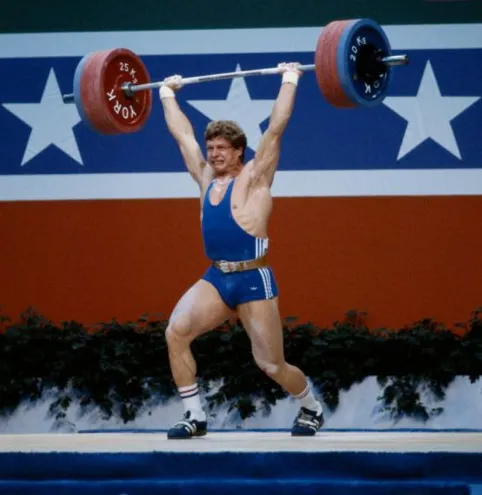
During this coaching clinic, as the lift was demonstrated, folks took notes, Jim Schmitz (an American coach at the clinic) apparently asked what to call it, and someone said “Romanian deadlift.” The name stuck not because it’s mysterious or regal, but because it was practical and very, very effective.
What the Romanian deadlift actually is (so you can stop pretending)
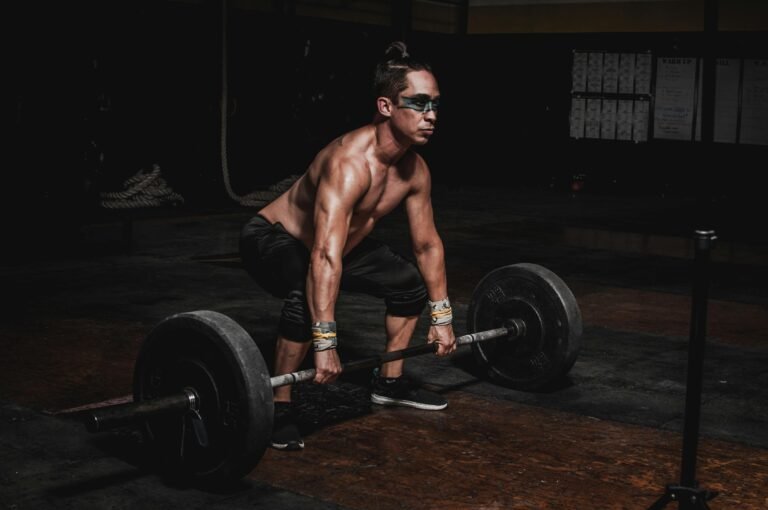
You do not “bend over and yank.” You hinge: push the hips back, keep the spine long, let the hamstrings whisper sweet tension into your legs, then stand tall by squeezing the glutes and locking the hips.
Compared to a conventional deadlift, the RDL usually starts at the top (you lower the bar from the rack or after a light descent) and emphasizes eccentric control and hamstring length under load.
It’s an accessory that builds the posterior chain like a small, benevolent machine that hands out single-serving packets of athleticism.
Evolution and varieties — the deadlift family tree
The deadlift universe is vast and dramatic. The Romanian deadlift sits on a plush but practical branch. Here’s the family reunion:
- Romanian Deadlift (RDL): Hip hinge, modest knee bend, big hamstrings, and back control. Great for posture, posterior-chain hypertrophy, and training the hinge without grinding out max pulls.
- Stiff-Legged Deadlift: Similar to the RDL but with less knee bend and more lumbar stretch. Dangerous if you treat it like a flexibility contest.
- Conventional Deadlift: Floor start, more knee bend, big quad-and-glute contribution. The classic heavy-lift test.
- Sumo Deadlift: Wider stance, more upright torso, shorter pull. Loved by lifters who enjoy tactical foot placement.
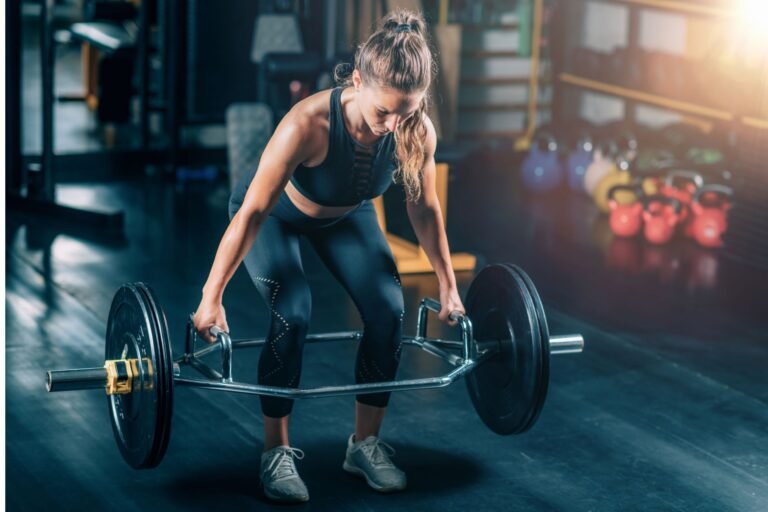
- Trap-Bar Deadlift: Pull from inside a hex bar — easier on the back, hip-dominant without as much lower-back torque.
- Snatch-Grip / Deficit / Rack Pulls: Variations that change range of motion, leverage, and weak points. All exist to make you better at some part of the lift (or to make your ego take a walk).
Over the years, coaches borrowed cues from Olympic lifting, powerlifting, strongman, and even yoga. The RDL was quietly adopted by bodybuilders for hamstrings, by powerlifters for lockout strength, by athletes for hinge mechanics, and by Sunday lifters who wanted to show that they had a “posterior chain.” Progression has been practical: lighter, controlled reps for hypertrophy; heavier, tighter sets for strength and carryover to big pulls.
World records? Yes. And they’re a spectacle.
If you’re asking “who has lifted the heaviest deadlifts ever?” strap in — these are feats of human showmanship, science, and stubborn fascination with the question “what if we put everything on the bar?”
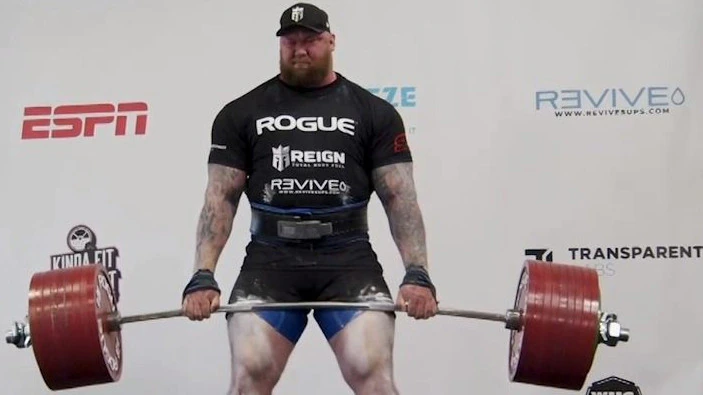
- The modern all-time men’s deadlift world record has been pushed into the half-ton club and beyond by strongmen who pull in suits, straps, on different bars (elephant bar, thick handles), and in both sanctioned competitions and exhibition attempts. Recently, Hafþór Júlíus Björnsson — yes, the Icelandic giant sometimes known as “The Mountain” — has been rewriting the record books with staggering pulls, including official competition lifts in the 500+ kg range. (There’s history here: previous milestones included Eddie Hall’s 500 kg, Andy Bolton’s equipped records, and more.) These lifts are part raw strength, part event setup, and part a very public negotiation with gravity.

- Women are absolutely deadlifters — make no mistake. The women’s deadlift has exploded in recent years as strongwomen and powerlifters push boundaries. Lucy Underdown (a standout in strongwoman circles) has repeatedly raised the bar for women’s deadlifting with world-record pulls in the 300+ kg range in strongwoman events (elephant bar and conventional arenas), while historic powerlifting names like Becca Swanson set massive equipped deadlifts years ago that still inspire debate and admiration. The point is: women lift heavy, break records, and make the rest of us reconsider our life choices mid-workout.
Why you should care (benefits that aren’t just for flexing)
The RDL and deadlifts in general are more than Instagram moments — they are movement patterns with huge carryover:
- Strength and hypertrophy: RDLs load the hamstrings, glutes, and spinal erectors in a way squats don’t, improving posterior-chain mass and strength.
- Injury prevention: A well-trained hinge reduces lower-back injuries by teaching the hamstrings and glutes to do the work instead of the lumbar spine.
- Improved athleticism: Sprinting, jumping, and changing direction all require a powerful hip hinge. RDLs build the spring.
- Better posture and lumbar control: Eccentric control in the RDL strengthens the back through the range you need to resist slouching.
- Functional strength: Deadlifts teach you how to pick things up from the floor without resembling a collapsing folding chair.
The biomechanics — nerdy but fun
At its heart the deadlift is a torque and lever problem. The hips are a hinge joint; the hamstrings and glutes create hip extension torque. The spine must resist flexion via isometric spinal erector activity. Knee angle shifts load between quads and glutes — deeper knee bend equals more quad. Sumo deadlifts shorten the range and change moment arms; conventional deadlifts lengthen them. Romanian deadlifts emphasize hip moment and hamstring length-tension relationships — heavy eccentrics train muscle fibers to absorb and produce force across longer ranges. In plain English: hips back, hamstrings tense, glutes finish the job, back stays long, chest proud. Biomechanics win. Science nods approvingly.
A little honesty with your barbell
If you’re doing RDLs correctly, you’ll feel something in your hamstrings the next day that’s both satisfying and humbling. If you’re doing them incorrectly, you’ll discover new ways to pain your lower back and regret your life choices. Start light, learn the hinge, and treat the RDL like an honest coach: it tells you what you lack and helps you fix it.

Final thoughts — history, humor, and maybe a belt
The Romanian deadlift is a delightful example of how a small, technical tool created for Olympic lifters became a global staple. It’s practical, effective, and — crucially — humble. The deadlift family shows off human potential in loud ways (world records, dramatic lockouts) and quiet ways (a well-timed RDL that saves your back five years from now). Whether you’re chasing records, building hamstrings, or just trying to lift your groceries without groaning, respect the hinge, enjoy the process, and remember: deadlifting well is the most efficient way to make the floor respect you.
Ready to Hinge, Lift, and Conquer ?
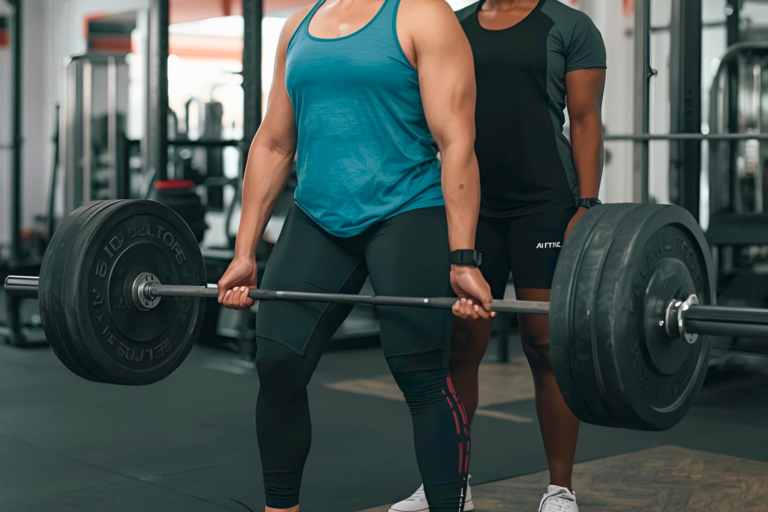
If you’ve ever been curious about learning how to deadlift — or just want some guidance to make sure you’re doing it safely and effectively — I’d be happy to help. As a coach, I can walk you through the process step by step and tailor it to your needs and goals. No pressure, just contact me if you’d like support and coaching, I’m here.